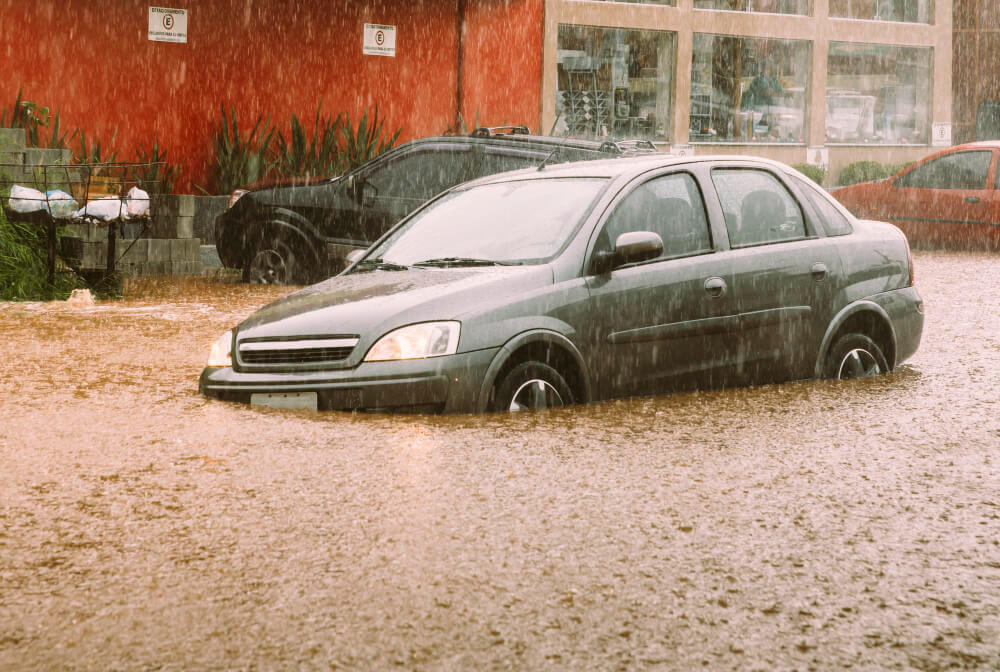
Severe storms transform reliable vehicles into safety hazards and insurance headaches within minutes. Hail the size of golf balls can shatter windshields, tornadoes can flip cars completely, and hurricane winds can drop trees directly onto parked vehicles. When storm damage renders your car undrivable or creates safety risks, storm damaged car removal becomes an urgent priority that requires careful coordination between safety measures, insurance requirements, and professional removal services.
This guide covers immediate safety assessments after storm damage, essential insurance procedures, when removal becomes legally required, and how to coordinate professional storm damaged car removal services effectively. At Top Dogz Towing Company, we understand that Charlotte area residents face unique weather challenges throughout the year, from spring tornado season to summer hurricane threats. When storm damage strikes your vehicle, call us at (704) 774-8669 for experienced removal services that work directly with insurance companies and understand emergency timeline requirements.
Immediate Safety Assessment After Storm Damage
Personal safety always takes priority over vehicle concerns when assessing storm damage. Before approaching your damaged vehicle, scan the surrounding area for downed power lines, broken gas lines, or unstable structures that could cause additional injuries. Electrical hazards remain active for hours after storms pass, and seemingly minor power line contact can be fatal.
Check yourself and others for injuries before focusing on property damage. Adrenaline often masks pain during emergency situations, and untreated injuries can worsen rapidly. If anyone requires medical attention, call 911 immediately rather than attempting to assess vehicle damage first.
Documenting Damage for Insurance Claims
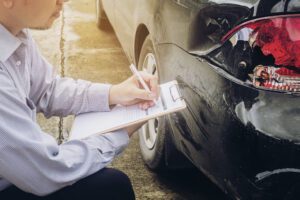
Take photographs from multiple angles showing the full extent of damage before moving any debris or personal items. Insurance adjusters need clear visual evidence of storm impact, vehicle position, and surrounding conditions to process claims efficiently. Include photos of license plates, VIN numbers when visible, and any distinctive damage patterns that clearly indicate weather-related causes.
Record video footage while narrating the date, time, location, and weather conditions during documentation. Video provides context that still photos cannot capture, especially for showing the relationship between your vehicle and obvious storm damage like fallen trees or hail impact patterns on surrounding surfaces.
Securing the Damaged Vehicle Area
Make your damaged vehicle visible to other drivers and emergency responders by activating hazard lights if electrical systems still function. Place reflective triangles or flares around the vehicle if safely accessible, maintaining proper distances for visibility without creating additional hazards.
Protect valuable personal belongings remaining inside damaged vehicles from weather exposure and potential theft. Remove items when safely possible, or cover broken windows with tarps to prevent water damage to electronics, documents, and other valuables.
Insurance Notification and Claims Process Requirements
Contact your insurance company within 24 hours of storm damage occurrence, as most policies require prompt notification to maintain coverage validity. Delays in reporting can complicate claims processing and potentially reduce settlement amounts, especially when additional weather events cause further damage to already compromised vehicles.
Essential Information for Insurance Claims
Prepare your policy number, exact vehicle location, detailed damage description, and estimated time of storm impact before calling your insurer. Claims representatives process hundreds of storm damage reports during major weather events, and organized information helps ensure accurate claim initiation and faster processing times.
Insurance adjusters evaluate storm damaged vehicles based on repair costs versus actual cash value calculations. Total loss determinations depend on damage severity, vehicle age, pre-storm condition, and local repair shop labor rates. Adjusters typically declare vehicles total losses when repair estimates exceed 70-80% of the vehicle’s pre-damage value.
Understanding Coverage and Deductibles
Comprehensive coverage handles most storm damage including hail, wind, flood, and falling objects. Collision coverage applies when storms cause you to lose control and impact other objects. Review your policy details to understand which deductible applies to your specific damage type, as some policies have separate deductibles for different weather-related events.
Rental car coverage activation often requires specific authorization from your insurance company before arranging temporary transportation. Contact your insurer before renting vehicles to ensure coverage compliance and avoid out-of-pocket expenses that might not be reimbursed later.
When Storm Damaged Car Removal Becomes Urgent
Several factors can make storm damaged car removal an immediate necessity rather than a convenience issue that can wait for insurance processing.
Safety and Environmental Hazards
- Leaking automotive fluids contaminate soil and groundwater supplies, creating environmental cleanup liabilities that extend far beyond vehicle value
- Broken glass and sharp metal debris pose serious injury risks to children, pets, and maintenance workers in residential areas
- Damaged fuel systems and electrical components can ignite fires or explosions, especially when exposed to additional weather or electrical surges
- Structural instability from major impact damage can cause vehicles to shift unexpectedly, crushing anything underneath
Legal and Municipal Requirements
Most Charlotte area municipalities require storm damaged car removal from public streets within 48-72 hours of the damage occurrence. Vehicles blocking traffic flow, sidewalks, or emergency access routes face immediate towing at owner expense, regardless of insurance claim status or repair intentions.
Homeowners association regulations often mandate faster removal timelines for damaged vehicles in residential driveways and parking areas. HOA violations can result in daily fines that quickly exceed vehicle values, making prompt removal more cost-effective than delayed action.
Insurance Timeline Considerations
Insurance adjusters need access to damaged vehicles for thorough inspections and damage assessments. Vehicles must remain accessible but secure until adjusters complete their evaluations, creating logistical challenges for extended claim processing periods.
Some insurance policies require storm damaged car removal within specific timeframes to prevent additional damage that could complicate claim settlements. Exposure to additional weather, vandalism, or theft after initial damage can reduce settlement amounts or void coverage entirely.
Storm Damaged Car Removal Options and Professional Services
Professional storm damaged car removal services provide specialized equipment and expertise that standard towing cannot match. Severely damaged vehicles often require winches, flatbed trucks, or even crane assistance for safe removal without causing additional property damage or safety risks.
Why Professional Removal Makes Sense
Licensed removal services carry comprehensive insurance coverage that protects property owners from liability during removal operations. DIY removal attempts can result in additional property damage, personal injury, or environmental violations that become expensive legal problems.
Professional services understand insurance documentation requirements and maintain detailed removal records that support claim processing. They coordinate directly with insurance adjusters and provide necessary paperwork that streamlines claim settlements and prevents processing delays.
Timing and Coordination Factors
Schedule storm damaged car removal after insurance adjuster inspections when possible, but prioritize immediate removal when safety or legal issues require faster action. Most insurance companies authorize emergency removal when adjusters cannot respond within reasonable timeframes during major storm events.
Weather conditions affect removal operations and scheduling availability. Professional services monitor weather forecasts and prioritize removals based on safety windows and customer emergency needs rather than simple chronological order.
Maximizing Storm Damaged Vehicle Value
Even severely storm damaged vehicles retain salvage value through valuable components like catalytic converters, intact engines, and undamaged electronics. When insurance declares your vehicle a total loss, you might retain salvage rights while receiving settlement payments. For complete guidance on maximizing your storm damaged vehicle’s worth, including professional evaluations and choosing the right salvage buyers, check our detailed Charlotte salvage guide that covers documentation requirements and negotiation strategies.
After Storm Damaged Car Removal: Essential Next Steps
Complete all necessary paperwork transfers when insurance companies take ownership of total loss vehicles. This includes signing title transfers, removing license plates, and canceling insurance coverage on the damaged vehicle to avoid continued premium charges.
Transportation and Financial Planning
Activate rental car coverage immediately after confirming total loss status, as replacement vehicle shopping can take several weeks during busy periods following major storms. Budget for potential gaps between insurance settlements and actual replacement vehicle costs, especially for financed vehicles with outstanding loan balances.
Gap insurance becomes crucial for financed or leased vehicles when storm damage creates total losses. Standard comprehensive coverage pays actual cash value, which often falls short of remaining loan balances on newer vehicles that depreciate faster than loan principal reduction.
Future Storm Preparedness
Review your insurance coverage limits and deductibles based on your storm damage experience. Consider increasing comprehensive coverage limits or reducing deductibles if current coverage proved inadequate for your actual replacement needs.
Identify covered parking options or protective measures for future storm seasons. Simple preparations like moving vehicles away from large trees or investing in covered parking can prevent similar damage during future weather events.
Professional Storm Damage Recovery
Storm damaged car removal requires balancing urgent safety needs with proper insurance procedures and legal requirements. The key to successful recovery lies in prompt action for safety issues while maintaining detailed documentation that supports insurance claims and protects your financial interests.
Remember that professional removal services experienced in storm damage situations understand the unique pressures and timeline requirements that make these situations so challenging. They work directly with insurance companies and municipal authorities to ensure compliance while prioritizing safety and customer needs.
For Charlotte area residents facing storm damaged car removal needs, Top Dogz Towing Company provides 24-hour emergency services with the specialized equipment and insurance expertise these situations demand. We coordinate directly with your insurance company and handle all necessary documentation to streamline your recovery process. Contact us at (704) 774-8669 when storm damage requires professional removal services that understand both the urgency and complexity of weather-related vehicle recovery.