
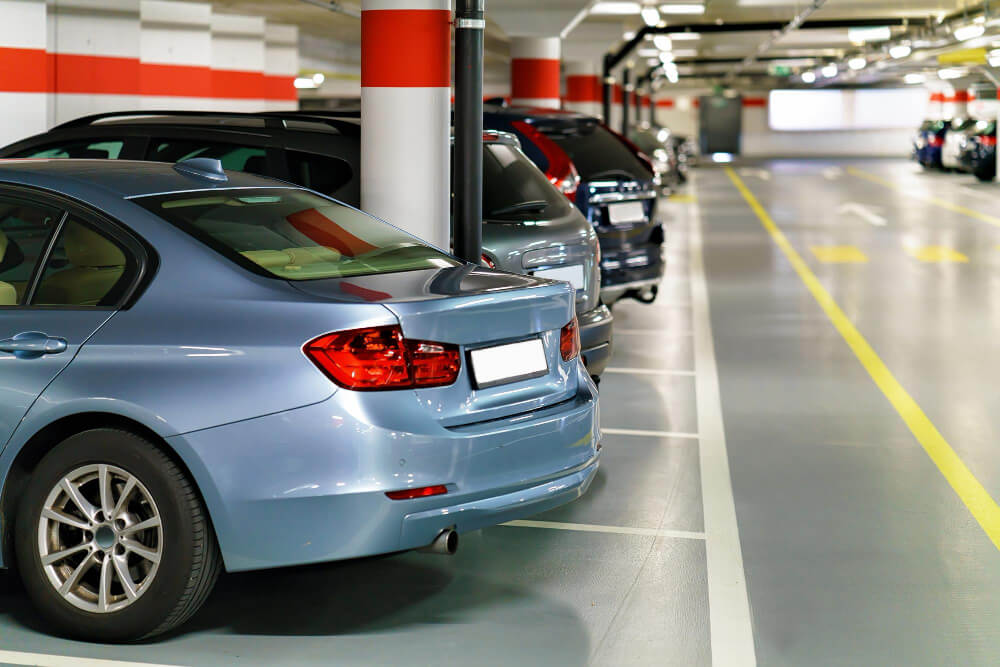
The scraping sound of metal against concrete overhead signals a costly mistake that could have been easily prevented. Understanding parking garage height clearance requirements can save you from expensive damage, traffic delays, and dangerous situations that occur when vehicles don’t fit properly.
This guide covers everything you need to know about parking garage height restrictions, from measuring your vehicle correctly to identifying warning signs before it’s too late. Whether you drive a lifted truck, SUV with roof cargo, or commercial van, this information will help you navigate parking structures safely and avoid costly mishaps. At Top Dogz Towing Company, we’ve assisted numerous drivers in Charlotte who’ve encountered clearance issues, which is why we believe prevention through knowledge is always better than emergency response. If you do find yourself in a garage clearance emergency, you can reach us at (704) 774-8669.
Table of Contents
ToggleUnderstanding Standard Parking Garage Height Clearance
Most parking garages feature height clearances between 6 feet 8 inches and 8 feet, but this range varies significantly based on when the structure was built and its intended purpose. Older downtown garages often have lower clearances, typically around 6 feet 8 inches to 7 feet 6 inches, while modern facilities usually offer 7 feet 6 inches to 8 feet of clearance.
The variation exists because building codes have evolved over decades. Garages constructed in the 1960s and 1970s were designed for smaller vehicles, while contemporary structures account for today’s larger SUVs and trucks. However, even newer garages may have lower clearances in certain areas, particularly on upper levels or in tight turning areas.
Different facility types typically offer predictable clearance ranges:
- Shopping centers: 7 feet to 8 feet
- Airport parking garages: 7 feet 6 inches to 8 feet 6 inches
- Downtown office buildings: 6 feet 8 inches to 7 feet 6 inches
- Residential apartment complexes: 6 feet 8 inches to 7 feet
- Hospital parking structures: 7 feet to 8 feet
These measurements represent the lowest point in the garage, which might occur at entrance gates, support beams, or lighting fixtures rather than the main ceiling height.
Know Your Vehicle’s True Height
Factory Specifications vs Real-World Measurements
Your vehicle’s actual height often exceeds manufacturer specifications due to aftermarket additions and equipment. Factory height measurements typically don’t account for roof rails, antennas, light bars, or cargo systems that add crucial inches to your vehicle’s profile.
Seasonal equipment creates additional height challenges. Roof boxes, bike racks, kayak carriers, and ski equipment can add 6 to 12 inches to your vehicle’s height. Even something as simple as a roof antenna or CB radio antenna can push your total height beyond safe garage clearance limits.
Tire modifications also affect overall vehicle height. Larger tires, lift kits, or even over-inflated tires can raise your vehicle several inches above stock specifications. Air suspension systems add another variable, as they can change height depending on load and road conditions.
How to Measure Your Vehicle Properly
Accurate measurement requires measuring from the ground to the highest point of your vehicle while it’s parked on level ground. Use a tape measure or measuring stick, and check multiple points across your vehicle’s width to account for uneven loading or suspension differences.
Include everything in your measurement: antennas, roof racks, cargo boxes, light bars, and any other equipment. Don’t forget to account for items you might add later, such as seasonal roof cargo or equipment for work purposes.
Common measurement mistakes include measuring only the roof without accessories, measuring on uneven ground, or forgetting about items like spare tires mounted on roof racks. Always round up to the nearest inch for safety margin.
Vehicles Most at Risk for Parking Garage Height Clearance Issues
Pickup trucks face the highest risk of clearance problems, especially when equipped with toolboxes, bed covers, or roof-mounted equipment. Full-size trucks often measure 6 feet 6 inches to 7 feet 6 inches in height, putting them dangerously close to many garage limits.
SUVs and crossovers with roof cargo systems frequently exceed safe clearance heights. A standard SUV measuring 6 feet 2 inches becomes a 7-foot vehicle with a roof box, potentially too tall for older parking structures.
Commercial vans and work vehicles present unique challenges because their height often ranges from 7 feet to over 9 feet. Delivery drivers and service technicians must carefully research parking options before attempting garage entry.
Modified vehicles with lift kits, oversized tires, or custom roof equipment create unpredictable height profiles. These vehicles often exceed standard clearance expectations and require extra caution when approaching any covered parking area.
Reading Warning Signs and Prevention Strategies
Interpreting Height Restriction Signage
Parking garage entrances typically display height restriction signs, but reading them correctly requires attention to detail. Signs usually show maximum clearance in feet and inches, but some older signs may use only feet or display measurements in different formats.
Look for multiple signs as you approach garage entrances. Height restrictions may be posted at the entrance, on approach roads, and at payment stations. When signs show different measurements, always use the most restrictive clearance listed.
Some garages post minimum clearances rather than maximum restrictions, which can confuse drivers. A sign reading “8 foot clearance” means vehicles taller than 8 feet cannot enter safely.
Pre-Entry Safety Checks
Before entering any parking garage, perform a visual assessment of the entrance clearance compared to your vehicle height. Look for physical clearance bars or height detection systems that indicate maximum vehicle size.
Use reference points to judge clearance when signage is unclear. Compare your vehicle height to the entrance opening, support structures, or other vehicles already parked inside. When in doubt, measure rather than guess.
Modern technology offers additional safety tools. GPS navigation apps increasingly include height restrictions in their routing algorithms. Smartphone apps can help measure vehicle height accurately, while backup camera systems provide visual clearance monitoring.
What Happens When Your Vehicle Doesn’t Fit
Types of Damage and Immediate Consequences
Height clearance violations typically cause roof damage, destroyed antennas, damaged cargo systems, and scraped paint. The force of impact can also damage internal vehicle components and potentially cause injury to occupants from sudden stops or falling debris.
When vehicles get stuck in garage entrances, they create immediate traffic hazards and safety concerns. Other drivers may be trapped behind the stuck vehicle, while pedestrians face risks from damaged structures or vehicle debris.
The financial impact extends beyond vehicle repairs. Insurance claims for clearance damage often involve deductibles and may affect future rates. Additionally, drivers may face liability for damage to the parking structure itself.
In situations where vehicles become wedged or suffer significant damage, specialized towing services may be required to safely extract the vehicle without causing additional harm to either the car or the parking structure.
Emergency Response Procedures
If your vehicle contacts overhead structures, stop immediately and assess the damage before proceeding. Continuing to drive can worsen both vehicle and structural damage while creating additional safety hazards.
Document the incident with photographs for insurance purposes, and notify garage management or security immediately. Clear the area of other vehicles and pedestrians when possible, and call for professional assistance if your vehicle is stuck or unsafe to drive.
Planning Ahead for Oversized Vehicles
Smart drivers research parking options before arriving at their destination. Many parking facility websites list clearance information, and calling ahead can prevent problems before they occur.
Maintain a list of vehicle-friendly parking locations in areas you visit frequently. This preparation becomes especially valuable during events or busy periods when alternative parking may be limited.
For commercial drivers, coordinating with building management about special access or loading areas can prevent clearance issues while ensuring efficient deliveries or service calls.
Conclusion
Understanding parking garage height clearance requirements protects both your vehicle and your wallet from costly mistakes. The key steps include accurately measuring your vehicle’s total height, reading restriction signage carefully, and planning alternative parking when your vehicle exceeds safe clearance limits.
Prevention through preparation beats emergency response every time. By knowing your vehicle’s dimensions and researching parking options ahead of time, you can avoid the stress and expense of clearance-related incidents. At Top Dogz Towing Company, we’re here to help when prevention isn’t enough, but we’d rather see drivers stay safe through smart planning. If you ever need assistance with garage clearance emergencies or have questions about our services, don’t hesitate to call us at (704) 774-8669.