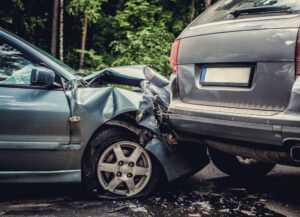
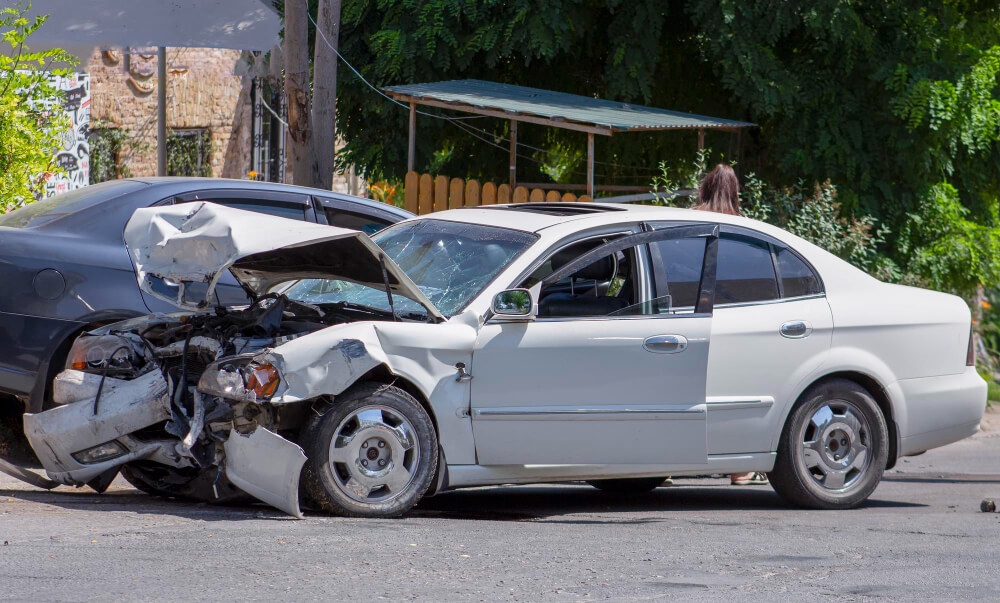
Standing next to a damaged car after a collision is disorienting. The adrenaline is still wearing off, the other driver is on the phone, and somewhere in the back of your mind a question is already forming: is this car even worth fixing? Knowing how to tell if your car is totaled before your insurance adjuster calls can help you walk into that conversation with confidence rather than confusion.
This article covers exactly what “totaled” means, how insurance companies make that determination, what visible damage signals to watch for, and what your options are if you disagree with the outcome. If your vehicle needs to be moved from an accident scene anywhere in the Charlotte, NC area, Top Dogz Towing Company is available at (704) 774-8669 for accident recovery when you need it.
What Does “Totaled” Actually Mean?
A vehicle is considered totaled when the estimated cost to repair it reaches or exceeds a certain percentage of what the car was worth just before the accident occurred. It is a financial calculation, not purely a visual one. A car can look severely damaged and still be repairable, and a car can look relatively fine on the surface and still be declared a total loss once a mechanic looks underneath.
The key point here is that the insurance company, not a body shop or the driver, makes the final determination. Understanding the math behind that decision puts you in a much better position.
How Insurance Companies Calculate a Total Loss
Two figures drive the total loss decision.
The first is the Actual Cash Value, or ACV. This is what your vehicle was worth on the open market immediately before the accident occurred. Insurance companies calculate ACV using the vehicle’s age, mileage, overall condition, and comparable sales data from the local market. It is not what you paid for the car and it is not what you still owe on it. It reflects current market value only.
The second figure is the Cost of Repair, which is the full estimated amount needed to restore the vehicle to its pre-accident condition, including parts, labor, and any related components.
In North Carolina, a vehicle is typically declared a total loss when repair costs reach or exceed 75 percent of the vehicle’s ACV. So if your car has an ACV of ten thousand dollars, repairs estimated at seven thousand five hundred dollars or more would likely result in a total loss declaration. It is worth noting that this threshold varies by state, so if you are from out of state or recently relocated, your home state’s rules may differ.
Visible Signs That Your Car Might Be Totaled
While the final call belongs to the adjuster, certain types of damage consistently push repair costs well past the total loss threshold. Recognizing these early helps set realistic expectations.
- Frame or structural damage: A bent or crumpled frame is one of the most expensive repairs in collision work. Even with modern repair techniques, a compromised frame can affect the vehicle’s safety rating long-term, which insurers take seriously.
- Airbag deployment: Replacing airbags, crash sensors, and related components alone can cost several thousand dollars depending on how many deployed and the vehicle’s make and model.
- Engine or transmission damage: Any significant drivetrain damage compounds repair costs quickly and can push a moderate-looking accident well over the total loss threshold.
- Flood or fire damage: These often result in a total loss declaration even when the vehicle still starts and drives. Hidden electrical corrosion and structural degradation from water or heat tend to cause ongoing problems that are difficult to fully repair.
- Damage across multiple systems simultaneously: When body damage, mechanical damage, and interior damage all need to be addressed at the same time, the combined costs add up faster than most drivers expect.
None of these factors alone guarantees a total loss outcome, but each one raises the probability considerably.
Older and High-Mileage Vehicles Face a Lower Threshold
Why Age and Mileage Work Against You in a Total Loss Situation
This surprises a lot of drivers. An older vehicle with higher mileage carries a lower ACV, which means even what looks like moderate damage can cross the total loss line. Consider a straightforward example: a vehicle with an ACV of five thousand dollars that needs four thousand dollars in repairs will almost certainly be declared totaled, even though the damage might look fixable to most people on the street.
This does not mean older vehicles are not worth owning or driving. It just means that if you are involved in an accident with a high-mileage car, a total loss outcome is statistically more likely than it would be with a newer vehicle, regardless of how the damage appears.
Can You Keep Your Car If It Is Declared a Total Loss?
The answer is yes, and many drivers do not realize this is an option. If your insurer declares your vehicle a total loss but you still want to keep it, the process typically works like this: the insurance company deducts the estimated salvage value from your settlement payout, and the vehicle is reissued under a salvage title.
A salvage title comes with real tradeoffs. Many standard insurers will only offer limited coverage on a salvage-titled vehicle. Resale value drops significantly, and in North Carolina, a salvage title vehicle must pass a state inspection before it can be legally driven again after repair. It is worth weighing those factors carefully before deciding to retain the vehicle.
What to Do If You Disagree With the Insurance Assessment
Disputing a total loss determination is more common than most people think, and drivers have legitimate tools to challenge one.
Start by requesting a full copy of the adjuster’s repair estimate and the ACV breakdown. You have the right to see exactly how those numbers were calculated. From there, a few steps can strengthen your position:
- Get an independent repair estimate from a licensed mechanic or body shop not affiliated with your insurance company.
- Research comparable vehicle listings in the Charlotte market to verify whether the ACV figure reflects actual local prices.
- If you find a meaningful gap between the insurer’s ACV and what comparable vehicles are actually selling for, document it and present it formally.
- Most auto insurance policies include an appraisal clause that allows both parties to bring in independent appraisers when a dispute cannot be resolved through standard negotiation.
The process takes patience, but it is a legitimate path and one that is worth pursuing if the numbers do not add up.
What Happens After a Total Loss Declaration
Once a total loss is confirmed and a settlement is accepted, the general sequence moves fairly quickly. You sign over the vehicle title to the insurance company, receive your settlement payment, and the vehicle is picked up and transferred, typically to a salvage auction.
If the vehicle is still at your home, a body shop, or an accident scene and needs to be moved as part of that process, that is where a reliable towing service becomes a practical necessity. Many vehicles declared total losses need to be transported without being driven, and coordinating that on short notice can add stress to an already difficult situation.
Knowing Your Options Makes a Real Difference
Learning how to tell if your car is totaled is really about understanding the process before you are in the middle of it. Total loss is a financial determination based on ACV versus repair cost. Visible damage is only one piece of the picture. Older vehicles face lower thresholds. And if the numbers do not seem right, you have clear options to challenge them.
If you are in the Charlotte, NC area and need a vehicle recovered from an accident scene or transported after a total loss declaration, Top Dogz Towing Company is available at (704) 774-8669. Reach out to us for accident recovery support across Charlotte and the surrounding suburbs. When the situation is already stressful, having a reliable team ready to help with the next step matters.