If you drive a low car, one of the most stressful moments is realizing it needs a tow and wondering, “Is this going to scrape my bumper or tear up the underside?” This guide explains how low-clearance car towing damage typically happens, what you can do before the truck arrives, and what to ask for so the vehicle can be loaded with less risk. If you’re stuck around Charlotte and need help arranging the right kind of tow, you can also call Top Dogz Towing Company at (704) 774-8669 and tell them you’re concerned about ground clearance so the dispatcher can plan accordingly.
Table of Contents
ToggleIf your car sits low, here’s the quick answer
Low cars get damaged during towing most often when the front bumper, splitter, or underbody contacts the ground or the tow equipment during loading. The most practical way to reduce that risk is to tell the tow provider up front that the car is low clearance and request a flatbed when appropriate. That gives the operator the best chance to use the right loading angle, tools, and approach from the start.
Even with a flatbed, damage can still happen if the loading spot is steep or uneven, or if the vehicle can’t roll straight. But clear communication and good positioning usually make a big difference.
Why low clearance cars get damaged during towing
Most scraping happens at transition points, not while the car is already on the bed. Think about the moment your car moves from flat ground onto a ramp, or from a ramp onto the flat section of a flatbed. Those “breakover” moments are where a low front end or long wheelbase can touch down.
Approach angle and breakover angle: where scraping happens
A low front bumper and long overhang reduce your approach angle. If the ramp is too steep, the bumper or splitter can hit before the front tires even start climbing. Breakover angle matters too. Some vehicles aren’t just low at the front. They are low through the center, so the undertray or exhaust can high-center as the vehicle transitions.
This is why two cars with the same ride height can behave very differently. A short hatchback may load easily, while a long sedan with a body kit scrapes in the same driveway.
Common contact points
Low clearance vehicles tend to get marked up in a few predictable places: the front lip and bumper corners, splitters, side skirts near the front wheels, undertrays and splash shields, and sometimes the exhaust or mid-pipe area. On some cars, plastic panels take the hit first. On others, the contact point is closer to metal parts, which can mean more expensive damage.
Real-world situations that increase risk
Even a careful operator can run into trouble if the scene is working against them. Steep driveways, sloped shoulders, parking lot speed bumps, and uneven pavement all change the angles. So do soft surfaces. If the tow truck or car settles slightly into gravel or grass, the effective clearance drops.
If your car died with the nose downhill in a driveway, the “best” place to load from may not be where the car currently sits. Sometimes the safest move is repositioning the vehicle to flatter ground first, if it can be done safely.
Towing methods and which ones are safer for low cars
Not every tow method is equal for low clearance vehicles. What works depends on how low the car is, whether it rolls and steers, and whether it has drivetrain restrictions like AWD or certain EV requirements.
Flatbed towing: why it’s often preferred
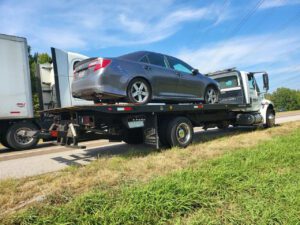
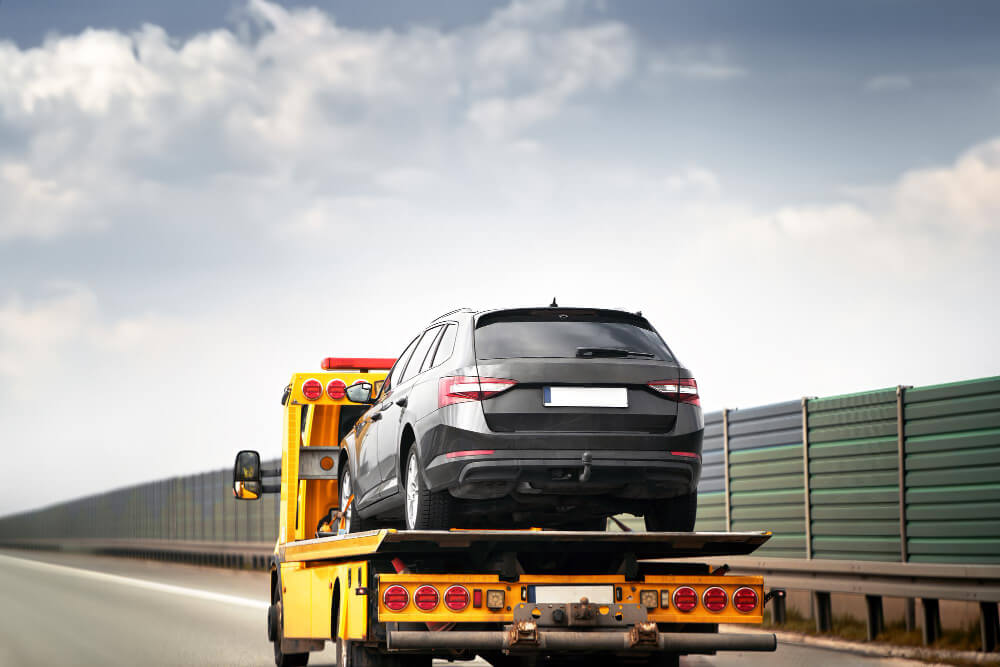
A flatbed generally reduces the amount of dragging and rolling on the road, and it can be loaded using a winch instead of driving the car up. For low clearance car towing, that usually means fewer opportunities for the front end to snag.
The key word is “generally.” A flatbed can still scrape a very low car if the loading angle is steep, but it gives the operator more options: changing the bed angle, using ramp extensions or boards, and controlling the pull with a winch.
Wheel-lift or hook towing: when it can work and when it’s risky
Wheel-lift towing can be fine for certain situations, but it increases risk for low cars because the front or rear may hang low as the vehicle is lifted, and the car is still rolling over bumps and dips during transport. It can also be a poor match for some drivetrains. If your car is AWD, for example, a rolling tow that only lifts one end may not be appropriate depending on manufacturer guidance.
This doesn’t mean wheel-lift towing is “wrong.” It means it’s more sensitive to your specific vehicle and conditions.
Dollies and skates: helpful when a car won’t roll
If your car won’t roll due to a locked wheel, damaged suspension, or parking brake issues, dollies or skates can help move it without dragging a tire. They can also help in tight spots like garages. They do add complexity, and not every situation allows them, but they are one of the tools that can prevent “forced” movement that tears up bumpers or suspension components.
What you can do immediately before the tow truck arrives
You don’t need to be a towing expert to reduce risk. A few minutes of prep can prevent a lot of frustration later.
Move the car to a better loading spot if it’s safe and drivable
If the car still runs and can move under its own power, consider relocating it to a flatter, more open area. A level parking lot entrance is often better than a steep driveway. On a busy road, do not put yourself in danger trying to “find a better spot.” Safety comes first. If you can’t move it safely, just tell the dispatcher what the area looks like.
Share key details that affect loading
When you call for a tow, mention that the car is low, and describe anything else that changes how it loads. Tell them if the tires are flat, if the steering is locked, if the car is in a garage, if it’s stuck in park, or if you suspect suspension or wheel damage. Those details affect whether the operator should plan for winching, dollies, or a different approach angle.
Also mention modifications that reduce clearance, like lowering springs, coilovers, or an aftermarket lip or splitter. You don’t need exact measurements. “It’s lowered and has a front lip that scrapes on steep driveways” is useful information.
Locate tow hook points and manual guidance
Many vehicles have designated tow hook points behind small covers on the bumper, or specific tie-down points underneath. If you can safely find them, it saves time and reduces the chance of someone hooking onto a fragile part of the car. Your owner’s manual may also mention a transport mode for the parking brake or guidance for loading. This is especially relevant for some EVs and newer vehicles with electronic shifters.
Loading techniques that reduce scraping: what to ask about
You don’t need to tell a tow operator how to do their job, but it’s fair to ask how they plan to prevent scraping. The right questions can prompt the right approach.
Ramp extensions and managing the bed angle
One of the simplest ways to reduce front-end contact is to reduce the ramp angle. Operators sometimes use ramp extensions or boards to create a longer, gentler approach. Where and how that’s done depends on the equipment and the loading surface, but it’s a legitimate strategy for low cars.
Winching vs. driving onto the bed
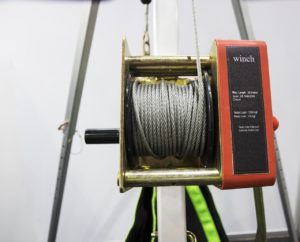
Winching is often safer for low clearance car towing because it allows slow, controlled movement with a spotter watching clearance. Driving onto the bed can be fine, but it’s easier to bump the throttle or approach slightly off-center, which is when bumper corners and side skirts get clipped.
Alignment and spotting
Loading straight matters more than people realize. A low car that is slightly angled can catch one bumper corner or one side skirt as it climbs. If you’re able to help, ask where the operator wants you to stand and what signals to use. Never stand in line with a winch cable or in a pinch point. If you’re not sure, stay back and let the operator manage the scene.
Special cases: EVs, AWD, lowered suspensions, and damaged wheels
Some vehicles have extra reasons to be cautious.
EVs often have important underbody components and battery trays that you do not want contacting ramps or straps. AWD and 4WD vehicles may have restrictions on how they can be towed, especially if any wheels will be rolling on the ground. The correct approach varies by model, so it’s smart to mention AWD or EV status during dispatch and defer to the owner’s manual when possible.
Lowered suspensions also change more than ride height. They can reduce suspension travel, which means the car may not “lift” over a ramp the way a stock car would. And if a wheel is bent, a tire is blown out, or a control arm is damaged, the car may not track straight while loading. That’s a situation where winching, dollies, or skates may be needed to avoid dragging.
After the tow: quick inspection and documentation
Before you head off, take a slow walk around the car when it’s unloaded. Look at the front lip, bumper corners, and side skirts. Check underneath if you can do so safely, even a quick glance for hanging plastic panels can help. If you notice new scrapes or cracks, take clear photos right away and write down what you see while it’s fresh. Documentation is simply good practice, even when everything goes smoothly.
When to request a flatbed tow
If your car is very low, has a body kit, has AWD, is an EV, has wheel or suspension damage, or can’t be safely driven onto a truck, a flatbed is often the most sensible request. It creates options for gentler loading and controlled winching.
The main takeaway is to communicate early and clearly. Low clearance car towing goes best when the tow provider knows what they’re walking into and can choose the right method from the start.
If you’re dealing with a low car in Charlotte or nearby suburbs and want to reduce the chances of scraping, you can reach Top Dogz Towing Company at (704) 774-8669. Tell us the car is low clearance and describe the situation so we can help line up an appropriate next step, including a flatbed tow when it makes sense.