A flat tire at 11 PM. A dead battery in a parking deck on a Tuesday morning. A slow coolant leak discovered 40 miles outside of Charlotte. These situations happen to careful, responsible drivers all the time, and the difference between a minor inconvenience and a genuinely stressful experience often comes down to what’s already in your car.
This article covers exactly what belongs in a car emergency kit, why each item earns its place, and which ones actually see real-world use versus just sitting in a bag untouched for years. It also covers what to do when the kit alone isn’t enough. For Charlotte-area drivers who need more than a jump start or a plug kit, Trustworthy Towing is available for round the clock roadside assistance at (704) 774-8669.
Why Every Driver Should Have a Car Emergency Kit
A car emergency kit is not a pessimist’s accessory. It is a practical tool built on one simple truth: vehicles break down, and it rarely happens at a convenient time or in a convenient place.
Charlotte’s continued growth has pushed more drivers into longer daily commutes across suburbs like Concord, Mooresville, Huntersville, and Ballantyne. More time on the road means more exposure to situations where being prepared makes a real difference. A well-stocked kit does not prevent a breakdown, but it can significantly reduce how disruptive one becomes. It gives you something useful to do while you wait for help, keeps you safer by the roadside, and takes some of the pressure off decisions made under stress.
The Core Items Every Car Emergency Kit Should Have
A solid car emergency kit does not need to be expensive or bulky. Most drivers can build one for under $60 using items from a hardware store or big-box retailer. Here is what actually belongs in it, organized into two categories for clarity.
Safety and Visibility Items
Getting seen by other drivers is the first priority when your car is stopped on or near a roadway. These items address that directly:
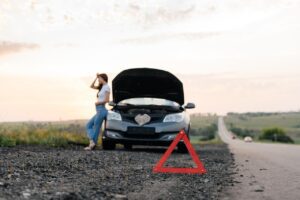
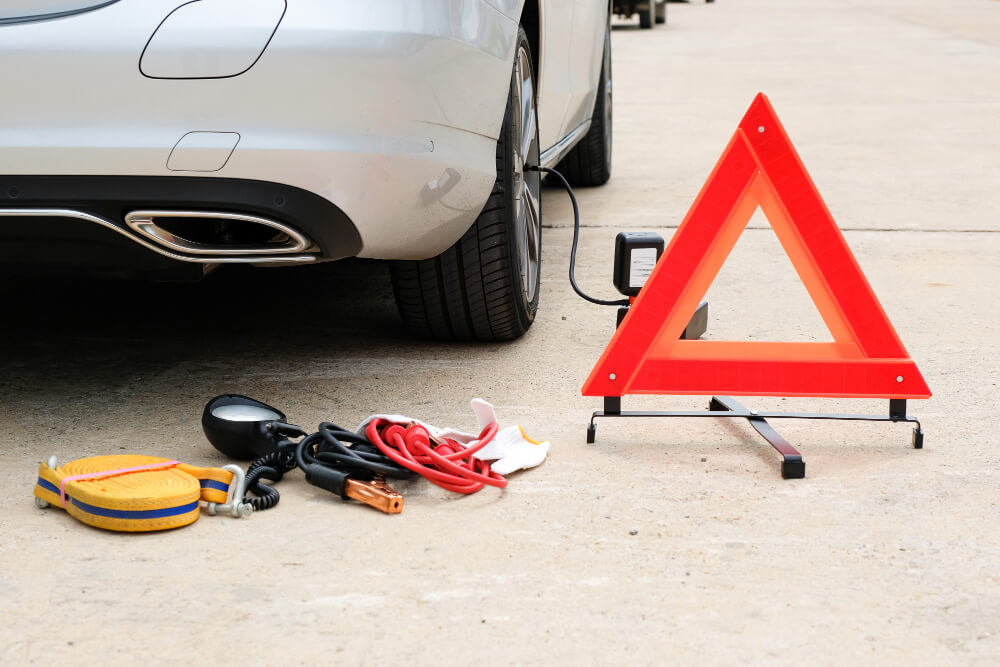
- Reflective triangles or road flares: Place them behind your vehicle to warn oncoming traffic. Triangles are reusable; flares are single-use but burn brighter in low visibility conditions.
- Hi-visibility vest or reflective jacket: Especially useful at night or in poor weather. Compact enough to keep in a glove box year-round.
- Flashlight with spare batteries: A phone flashlight works in a pinch, but it drains battery fast. A basic LED flashlight is a better option for extended use.
- Basic first aid kit: Covers minor cuts or injuries while you wait for help. Look for one that includes bandages, antiseptic wipes, and disposable gloves.
Practical Tools and Supplies
These are the items that come up most often in real roadside situations:
- Jumper cables or a portable jump starter: Dead batteries are one of the most common reasons drivers call for roadside assistance. Jumper cables require another vehicle nearby; a portable jump starter lets you handle it on your own.
- Tire pressure gauge: Low pressure is easy to miss and more common before long trips or during colder months. A simple analog gauge is small, inexpensive, and reliable.
- Tire inflator spray or plug kit: For minor punctures, a can of tire inflator can get you to a nearby service station. A plug kit is a more durable temporary fix but requires a little more effort to use.
- Work gloves: Handling a spare tire, cables, or anything under the hood is easier and cleaner with gloves in the kit.
- Portable phone charger or power bank: Calling for help or using navigation requires a working phone. A charged power bank is one of the most practical and regularly used items in any kit.
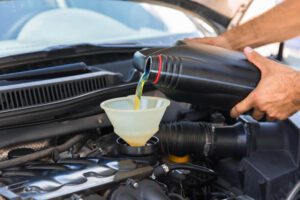
- Quart of motor oil and a small container of coolant: Not for DIY engine repairs, but useful when a low fluid level is the issue and you need to stabilize things while waiting for a professional.
The Overlooked Items That Actually Make a Difference
Most car emergency kit lists stop at tools and safety gear. A few extras take up almost no space and regularly prove their worth in real situations.
Cash in small bills is one of the most underrated additions. Some situations call for quick payment, and card readers are not always an option at the roadside. A written list of emergency contacts is another practical one, because if your phone battery dies completely, having those numbers on paper matters more than you’d expect.
A basic rain poncho is useful any time you need to get out of the car in bad weather, and a compact mylar emergency blanket is genuinely helpful if you end up stranded in cold conditions for an extended stretch of time. Finally, a pen and small notepad make exchanging insurance and contact information after an accident much easier than depending entirely on your phone.
How To Store and Maintain Your Car Emergency Kit
Putting a kit together is the first step. Keeping it accessible and in working order is the part that most people skip.
A soft duffel bag works well for most vehicles and fits into a trunk corner without taking over the space. A lidded plastic bin is a better choice for SUVs and trucks with more cargo room. Either way, the kit should be reachable without having to move everything else in the vehicle to find it.
Check the kit at least once a year. An easy memory trick is to tie it to something you already do annually, like testing your smoke detector batteries. When you use something from the kit, replace it promptly rather than waiting for the next annual check. If you live somewhere with cold winters, consider adding hand warmers in the fall and swapping them out in the spring.
When a Car Emergency Kit Is Not Enough
A well-stocked kit handles a lot, but it does not cover everything. A dead battery with no other vehicle nearby, a tire too damaged for a plug, a mechanical failure, or any situation where the car needs to be moved rather than repaired on the spot all require outside help.
That is where having a reliable number saved in your phone matters just as much as having the right tools in your trunk. Trustworthy Towing Service Memphis provides 24-hour roadside assistance to drivers across Charlotte and the surrounding suburbs. If you find yourself stranded and the kit is not enough, reach us at (704) 774-8669 any time of day or night.
A Small Preparation That Goes a Long Way
A car emergency kit does not need to be elaborate. The basics, assembled thoughtfully, cost less than a single tow and take up less space than a backpack. The goal is not to turn yourself into a roadside mechanic. It is to stay calm and manage the situation until proper help arrives.
Know what is in your kit. Keep it accessible. Check it once a year. And save a number you can count on. For drivers in Charlotte and the surrounding area, Trustworthy Towing Service Memphis is available around the clock at (704) 774-8669 whenever the situation calls for more than what is in the trunk.