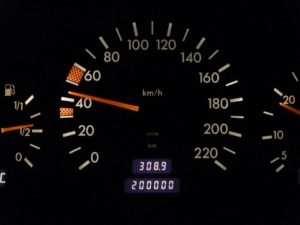

If your car started running rough right after you filled up, contaminated fuel is a real possibility and it’s worth treating it like both a safety issue and a potential “prevent expensive damage” moment. Common signs include hard starting, sputtering, stalling at stoplights, sudden loss of power when you accelerate, and a check engine light that shows up soon after refueling. When the vehicle can’t maintain speed, stalls unpredictably, or starts misfiring badly, the safest move is to get off the road and stop driving rather than trying to “clear it out.” If you’re stuck in an unsafe spot or the car won’t run reliably, Top Dogz Towing Company can help you get to a safer location or to a shop without risking further damage. You can reach them at (704) 774-8669.
Quick steps if you suspect bad gas right now
Poor running after refueling tends to get worse under load: merging, climbing hills, or accelerating onto a faster road. If the car is hesitating or bucking, plan your next minute, not your next hour.
- Get to a safe place to stop. A parking lot is better than a shoulder, and a wide shoulder is better than limping along in traffic with a car that might stall.
- Turn on hazards and take a breath before troubleshooting. The biggest risk in these situations is getting stranded in a dangerous lane or blocking an intersection.
- Keep your fuel receipt. The time, location, and pump number can matter later if there’s a pattern at that station.
- Avoid “testing it” by accelerating hard.
If the car is already misfiring or struggling, pushing it can increase the chance of stalling or overheating the catalytic converter, and if you need to carry fuel or deal with a spill, review these tips on safe fuel handling and storage.
Common symptoms of contaminated fuel (and what they can mean)
Contaminated fuel isn’t one single problem. Water, debris, wrong fuel, or poor-quality fuel can all show up a little differently, and your vehicle’s engine management system will react based on what it’s “seeing” from sensors.
Hard starting or a no-start after refueling
When a vehicle won’t start right after you refuel, it often points to water contamination, a major fuel quality issue, or an incorrect fuel type. A little moisture can cause rough running, but enough water can prevent the engine from firing consistently at all.
Repeated cranking can flood the engine (on some vehicles), drain the battery, and turn a bad situation into a no-start that also needs a jump. If it doesn’t start after a couple of reasonable attempts, it’s usually smarter to stop and reassess rather than keep trying.
Rough idle, shaking, or stalling at stoplights
A rough idle that begins soon after fueling can feel like the car is vibrating, stumbling, or “missing.” Stalling at idle is especially common when combustion is inconsistent because the engine has less momentum to carry it through weak firing events.
This is where contaminated fuel becomes a safety issue quickly. A car that stalls at stoplights can leave you blocking a lane or unable to move when traffic starts flowing again.
Loss of power, hesitation, or surging when accelerating
Drivers often describe this as the car “bogging,” hesitating, or feeling like it won’t respond when the pedal goes down. That’s because acceleration demands more fuel and stable combustion. If the fuel mixture is off due to water, contamination, or low-quality fuel, the engine can’t produce power smoothly.
If you’re noticing hesitation while merging or climbing a hill, treat that as a serious warning. You don’t want to discover the car can’t maintain speed in the middle of a merge.
Sputtering, stumbling, or bucking at steady speed
Intermittent symptoms can happen when contamination sloshes around the tank. You might feel the car surge, then feel normal again, then surge again a minute later. That “on and off” behavior can trick people into continuing to drive.
The problem is that intermittent issues can become sudden no-power events with no warning. A vehicle that bucks on a higher-speed road can put you and other drivers at risk.
Check engine light flashing or strong misfire symptoms
A steady check engine light can mean many things, but a flashing check engine light often indicates an active misfire severe enough to risk damaging the catalytic converter. That can turn a manageable fuel issue into a much bigger repair.
Even without a flashing light, strong misfire symptoms like violent shaking, loud popping, or a dramatic loss of power are good reasons to shut it down and get help rather than keep driving.
Unusual exhaust smell or smoke
A raw fuel smell, unusually strong exhaust odor, or visible smoke should push you toward stopping. Contaminated fuel can cause incomplete combustion, and unburned fuel can overheat the exhaust system components.
If you smell fuel outside the vehicle, treat it as urgent. Get to a safe stop, shut the engine off, and keep ignition sources away.
What causes contaminated fuel?
Most people think “bad gas” means the station sold something wrong. Sometimes that’s true, but there are a few common scenarios.
Water in the tank (station storage or condensation)
Water can get into fuel storage tanks through condensation or leaks. Even with modern fuel systems, water doesn’t burn like fuel. Small amounts can cause rough running. Larger amounts can cause stalling or a no-start.
Ethanol-blended gasoline can complicate things because ethanol can absorb a limited amount of water before it separates, and once separation happens, drivability can go downhill fast.
Sediment, rust, or debris stirred up during a fuel delivery
Underground tanks can collect sediment over time. When a station’s tanks are being refilled by a tanker truck, that incoming fuel can stir up debris. If that debris gets into your vehicle’s fuel system, it can clog the fuel filter or restrict fuel flow.
This is one reason some drivers try to avoid fueling while a station is actively receiving a fuel delivery.
Incorrect fuel type or mix-ups
Putting diesel in a gasoline vehicle often causes rough running and heavy smoke, and can lead to a stall. Putting gasoline in a diesel can be even more damaging because diesel fuel also lubricates certain components that gasoline does not. Either way, if you realize the mistake before starting the car, you’re in the best possible position because you can avoid circulating the wrong fuel.
If the wrong fuel is suspected, starting and “seeing how it runs” is a gamble that can increase repair costs.
Poor-quality or stale fuel
Fuel quality can degrade over time, especially in vehicles that sit for long periods. Stale fuel doesn’t always cause immediate dramatic symptoms, but it can contribute to hard starts, hesitation, and misfires. Older vehicles or small engines may show symptoms sooner.
What to do right now (step-by-step)
The right next step depends on how the car is behaving and where you are. Your priority is to avoid getting stranded in traffic and avoid turning a drivability problem into a major repair.
If symptoms start immediately after fueling
If the car begins running poorly within minutes of leaving the pump, assume the fuel you just added is part of the issue.
- Choose a safe place to stop. A nearby parking lot is ideal.
- Turn the engine off if it’s stalling or misfiring heavily. Keeping it running while it’s struggling can increase the chance of damage.
- Save your receipt and note the pump number. A photo of the pump and station sign can help later.
- Don’t pour in random additives as a first move. Some additives can help with minor moisture, but they won’t fix severe contamination and can delay getting the right help.
- Plan for a tow if the vehicle can’t run consistently. Getting it to a shop safely is often cheaper than risking breakdown on the road.
If you haven’t started the car yet (best-case scenario)
If you suspect contamination or wrong fuel before starting, don’t start it. That single decision can be the difference between a straightforward fix and a much more expensive repair.
- Leave the ignition off.
- Tell the station immediately if you believe the wrong fuel was dispensed or the pump was mislabeled.
- Arrange safe transport to a shop so the tank can be drained and the system checked without circulating the fuel through the engine.
If you’re in an unsafe location (shoulder, intersection, parking deck)
Sometimes your car is running just well enough to move, but not well enough to trust. In that case, safety and traffic conditions matter as much as mechanical risk.
- Avoid stopping on a curve, narrow shoulder, or in a lane.
- Don’t attempt a long drive to “make it home.” The risk is stalling in a worse spot.
- If you can’t safely move the vehicle, wait for professional help. Roadside assistance can reduce the chance of a secondary crash and can get the vehicle somewhere it can be properly diagnosed.
Can you drive with suspected contaminated fuel? A safety-first decision guide
Whether you should keep driving depends less on the theory of what’s wrong and more on what the car is doing right now.
“Do not drive” signs
Stop driving and arrange help if any of these are happening:
- The engine stalls or nearly stalls repeatedly
- You have severe loss of power, especially during merges or hills
- The car shakes violently or bucks unpredictably
- The check engine light is flashing
- You smell raw fuel or see smoke
- You can’t maintain a safe speed relative to traffic
These are the scenarios where people get stranded in dangerous places or cause additional damage by forcing the car to continue.
“Drive only a very short distance” situations (if needed for safety)
If symptoms are mild and you’re trying to reach a safer spot off the road, keep it conservative:
- Use gentle throttle and avoid rapid acceleration
- Avoid highways if possible
- Take the shortest route to a safe parking lot or well-lit area
- Be ready to pull over again if symptoms worsen
If mild symptoms become strong symptoms quickly, that’s your cue to stop and call for help.
Minimizing damage to your vehicle
Fuel-related drivability problems can cascade. Misfires can overheat the catalytic converter. Debris can clog filters or damage injectors. Wrong fuel can affect lubrication and internal tolerances.
A few common mistakes tend to make things worse:
- Repeated restart attempts when the car won’t start
- Hard acceleration to “clear it out”
- Continuing to drive with a flashing check engine light
- Ignoring new smells or smoke
If you’re unsure, choosing the safer option, stopping, and getting it diagnosed can prevent the sort of damage that turns a bad tank of fuel into a multi-day repair.
What a mechanic may check (so you know what to expect)
A good shop usually tries to confirm the fuel issue before replacing parts.
- Scan for trouble codes. Misfire codes and fuel trim data can support the story.
- Check a fuel sample. Water or sediment may be visible in a sample.
- Inspect the fuel filter (if your vehicle has a serviceable one).
- Evaluate ignition components if misfires are present, because contaminated fuel can expose weak plugs or coils.
- Drain and refill if contamination is confirmed, followed by verifying stable operation.
It’s normal for symptoms to overlap with other problems. That’s why documentation and a clear timeline of “it started right after fueling” is so helpful.
How to protect yourself with the gas station (documentation and next steps)
If you suspect the fuel came from a particular station, documentation matters.
- Keep the receipt
- Write down the station address, date/time, and pump number
- Take a quick photo of the pump and the posted fuel grade
- Save any repair invoices or diagnostic notes if you pursue reimbursement
Even if you never seek reimbursement, this information helps the mechanic and helps you keep a clean record of what happened.
How to reduce the risk of contaminated fuel in the future
You can’t control everything, but a few habits reduce your odds:
- Choose busy stations with high fuel turnover
- Avoid fueling when a station’s tanks are being refilled if you can
- Keep your vehicle maintained so small issues don’t become big ones
- Don’t make a habit of running the tank extremely low, which can increase the chance of picking up sediment in some situations
Summary
Contaminated fuel often shows up as rough running soon after refueling: hard starts, sputtering, hesitation, stalling, sudden power loss, and sometimes a check engine light. The safest approach is to stop driving when the car can’t run predictably or can’t keep up with traffic, then document where you fueled up and have the vehicle checked before the problem causes additional damage. If you’re in Charlotte or the surrounding suburbs and your vehicle is stranded or unsafe to drive, Top Dogz Towing Company can help you get to a safer location or to a shop for diagnosis. Call (704) 774-8669 if you need assistance.