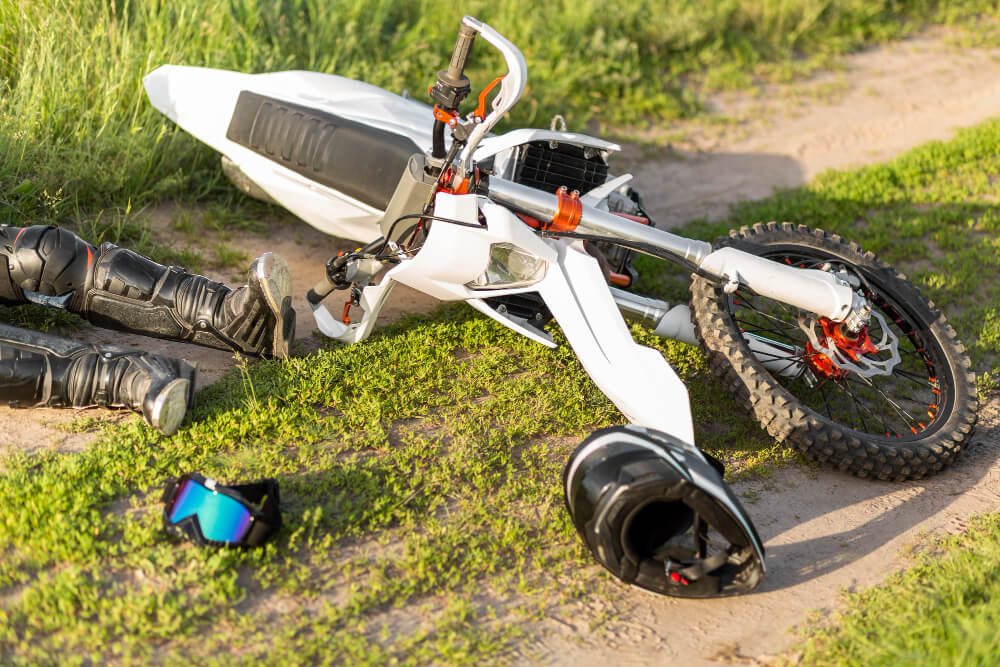
Every Charlotte motorcycle rider hopes they’ll never need this information, but knowing what to do after a motorcycle accident can make the difference between getting proper help and making costly mistakes. The minutes following an accident are crucial for your safety and ensuring your damaged bike gets transported properly.
This guide walks you through every essential step Charlotte riders need to take after an accident, from immediate safety measures to arranging professional motorcycle transport. When you need reliable motorcycle transport, Top Dogz Towing Company provides 24-hour emergency services at (704) 774-8669 throughout the Charlotte area.
Immediate Safety Response: Secure the Scene
The moments immediately after an accident determine everything else that follows. Your safety and the safety of others takes absolute priority over your motorcycle’s condition.
Move yourself and your bike out of active traffic lanes if you can do so safely without causing additional injuries. Turn on your hazard lights if your motorcycle is still functional. If you cannot move your bike, turn it off immediately to prevent fuel leaks or electrical fires.
Set up road flares or reflective triangles if you have them, especially on Charlotte’s high-speed highways like I-485 where visibility is crucial. Position warning devices 100-200 feet behind the accident scene to give approaching drivers adequate warning time.
When to Call for Help
Call 911 immediately if anyone appears injured or if your motorcycle is blocking traffic lanes. North Carolina requires police reports for accidents involving injuries or property damage exceeding $1,000. Most motorcycle accidents meet this threshold, so expect police involvement in your situation.
If your bike is safely off the roadway and no one is injured, you may handle minor accidents without emergency services, but documentation becomes even more important in these situations.
Essential Documentation for Insurance and Transport
Proper documentation protects you during insurance claims and helps transport companies understand your motorcycle’s condition before they arrive on scene.
Take wide shots showing your motorcycle’s position and surrounding area first, then close-ups of all visible damage from multiple angles. Document road conditions and any contributing factors. Make sure to photograph your motorcycle’s VIN number and license plate clearly.
Collect the other driver’s insurance information and contact details along with the police report number if officers respond. Get witness contact information and note the exact accident location for transport services.
Assessing Whether Your Motorcycle Can Be Ridden
Determining if your motorcycle is safe to ride requires checking several critical systems. Making the wrong decision can lead to another accident or additional damage that insurance won’t cover.
Check if your handlebars are bent or misaligned with the front wheel, as this makes steering dangerous. Look for any fluid leaks from the engine, brake, or fuel systems. Test your brakes gently to see if the lever feels spongy or if you notice grinding sounds.
Examine your wheels for damage that causes wobbling when you roll the bike forward. Make sure your headlight and taillight work properly. Listen for grinding, scraping, or unusual noises when moving the motorcycle.
Minor damage like scratched fairings, bent mirrors, or scuffed exhaust pipes might look bad but often don’t affect safety. When in doubt, don’t ride. The cost of professional transport is minimal compared to the risk of causing additional damage or having another accident.
Hidden Damage That Requires Professional Assessment
Even minor-looking accidents can cause serious damage that isn’t immediately visible. Frame damage near the steering head or engine mounts can make your motorcycle extremely dangerous to ride, even if everything else seems fine.
Wheel bearing damage from impact forces might not show up until you’re riding at highway speeds. Suspension components can be weakened without appearing broken, leading to sudden failures later. Fuel system damage could cause fires hours after the accident, while electrical shorts might develop gradually.
A professional inspection protects you from discovering expensive problems weeks later when warranty periods have expired or insurance claims have been settled.
Choosing the Right Transport Service
Not all towing companies have experience with motorcycles, and choosing the wrong service can cause additional damage to your already-compromised bike.
Look for transport services with specialized motorcycle loading equipment and tie-down systems designed specifically for bikes. Experience handling accident-damaged motorcycles matters because these bikes require different loading techniques than undamaged ones.
Ask potential transport companies if they have motorcycle-specific equipment and experience with damaged bikes. Find out what their insurance covers and how long it will take them to reach you. Confirm they can transport directly to your preferred repair shop rather than requiring multiple transfers.
Working With Your Insurance Company
Most comprehensive motorcycle insurance policies include some coverage for emergency transport, but limits vary significantly. Check your policy details or call your agent to understand what’s covered before arranging transport.
Take photos of your motorcycle before transport workers load it. This documentation protects you if additional damage occurs during the transport process and helps support any claims you need to file later.
Transport Destination: Repair Shop vs Home
Direct transport to a repair shop typically speeds up the entire repair process since there’s no need for secondary transport later. Professional assessment begins immediately, and your bike stays in secure storage at an established business location.
Transporting to home storage gives you time to research repair shops thoroughly but requires secure storage space at your location and might delay the repair process.
Special Considerations for Charlotte Area Transport
Charlotte’s traffic patterns create unique challenges for motorcycle transport after accidents. High-traffic areas like I-77 through uptown Charlotte and I-485 during rush hours require quick response times to keep everyone safe.
Summer afternoon thunderstorms can complicate transport scheduling, while winter weather might require covered transport options. Professional transport services familiar with Charlotte area roads can navigate these challenges safely and efficiently.
Preparing for Transport Service Arrival
Remove saddlebags, tank bags, and other removable accessories since these can shift during transport. Take your registration and insurance documents out of storage compartments, and gather any loose items.
Clear a path to your motorcycle’s location and have your keys readily available. Take final photos showing the current damage and point out specific concerns to the transport crew so they can take extra precautions.
What Happens During Professional Transport
Professional motorcycle transport uses specialized equipment including motorcycle dollies, wheel chocks, and soft tie-down straps that won’t scratch painted surfaces. Experienced operators know how to load damaged bikes safely without causing additional harm to bent or broken components.
The transport team should document your motorcycle’s condition before loading and provide you with realistic delivery timeframes. Most local Charlotte area transports complete within 2-4 hours depending on traffic conditions and destination distance.
After Your Motorcycle Is Transported
Schedule an inspection with your chosen repair shop within 24-48 hours of transport. This creates an official record of all damage for insurance purposes and begins the repair estimate process.
Keep all transport receipts and documentation for insurance reimbursement. Most policies cover reasonable transport costs, but you need proper documentation to receive payment.
Getting Back on the Road Safely
Knowing what to do after a motorcycle accident helps you handle a stressful situation with confidence and protects your motorcycle from additional damage during the recovery process.
Charlotte’s busy roads make professional assistance valuable when your motorcycle can’t be ridden safely. Don’t take chances with damaged bikes that could cause additional accidents or injuries.
When you need reliable motorcycle transport after an accident, Top Dogz Towing Company specializes in safe, professional motorcycle and ATV transport throughout Charlotte and surrounding areas. Our experienced team has the specialized equipment and knowledge to handle accident-damaged bikes properly. Contact us at (704) 774-8669 for 24-hour emergency transport services when you need help getting your motorcycle to safety.